Source Steel Gym Barbell Rack for Home Gymnasium and Community
Explore 30 listings for the steel gym barbell rack designed for strength training. Buyers can compare models like HQ-6630 and TZ-5015, noting features such as CE certification, manual power sources, and weights ranging from 65kg to 345kg for various facility needs.
Key considerations
Products List


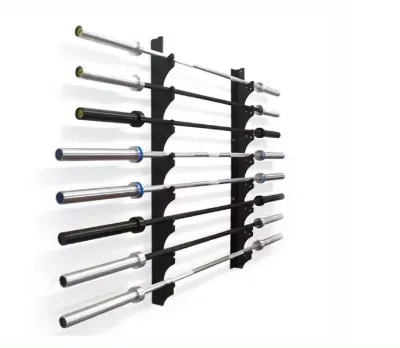


Comprehensive Sourcing Guide
Strategic Sourcing Guide for Steel Gym Barbell Racks
Understanding Technical Specifications and Material Integrity
When sourcing a steel gym barbell rack, the primary focus must be on the structural integrity and material composition that ensure safety during high-load exercises. The core material for these units is consistently identified as steel, a non-negotiable attribute for equipment designed to withstand the dynamic forces of bodybuilding and strength training. Buyers should verify that the steel used meets specific thickness requirements, as the structural rigidity of the rack depends heavily on the dimensions of the tubing. In the observed market data, pipe sizes such as 100*48mm are noted for specific commercial-grade models, indicating that heavier gauge steel is often utilized for racks intended for high-traffic environments like gymnasiums and community centers.
The physical dimensions of the rack are equally critical, as they determine compatibility with various barbell types and the available space within a facility. Standardized dimensions observed in the supply chain include configurations such as 10307851455mm, 992850850mm, and larger commercial units reaching 222010501220mm. These variations suggest that buyers must align their procurement with the specific spatial constraints of their intended installation site. Furthermore, the weight of the unit itself is a significant technical factor; observed weights range from 65kg for lighter, potentially more portable units to 345kg for heavy-duty commercial racks. The heavier units typically offer superior stability, reducing the risk of tipping during intense lifting sessions.
Transmission mechanisms, while more common in active resistance machines, can be relevant for integrated rack systems that include pulley attachments. A 3mm belt transmission has been noted in related equipment, suggesting that if the barbell rack is part of a larger functional training station, the durability of these belts must be assessed. Additionally, the color and finish, such as the black coating observed in commercial listings, play a role in both aesthetics and corrosion resistance. Buyers should request detailed specifications regarding the type of steel alloy and the coating process to ensure the equipment can withstand the humidity and wear typical of gym environments.
Compliance, Certification, and Safety Standards
Navigating the regulatory landscape is essential for any B2B procurement of fitness equipment, particularly for items used in public or commercial settings. The most frequently cited certifications for steel gym barbell racks in the current market include CE and ISO standards. Specifically, the CE mark indicates conformity with health, safety, and environmental protection standards for products sold within the European Economic Area, while ISO certifications, such as ISO9001, validate the manufacturer's quality management systems. Some listings also reference RoHS compliance, which restricts the use of specific hazardous materials in electrical and electronic equipment, though this is less critical for purely mechanical steel racks unless they include electronic components.
It is imperative for buyers to verify that the specific model they intend to purchase carries valid certification documentation. The observed data lists certifications like "CE, ISO" and "CE, ISO9001," but these are product-specific attributes rather than universal guarantees for all steel racks. Buyers must not assume that a supplier's general reputation extends to every SKU they offer. The presence of a certification should be cross-referenced with the specific product model number, such as HQ-6630 or TZ-5015, to ensure the certification applies to the exact configuration being ordered.
Furthermore, the classification of the product under the Harmonized System (H.S. Code) is vital for international trade compliance. The code 9506911900 is associated with these types of sports equipment, facilitating customs clearance and duty assessment. Buyers should confirm that the supplier provides accurate documentation aligning with this classification to prevent logistical delays. While the observed data mentions "Commercial Standard" as a product standard, this is a qualitative descriptor rather than a specific technical norm. Procurement teams should request the specific technical standards or engineering drawings that define the "Commercial Standard" for the unit, ensuring it meets local safety regulations in the destination country.
Cost Drivers and Pricing Structures
The pricing of steel gym barbell racks is influenced by a complex interplay of material costs, manufacturing complexity, and logistical factors. The observed price range for these units spans from $10 to $480 USD, a wide variance that reflects differences in size, weight, and intended application. The lower end of the spectrum likely corresponds to smaller, lighter units designed for home use or basic storage, while the higher end encompasses heavy-duty commercial racks with advanced features and robust construction.
Material weight is a primary cost driver. Units weighing 345kg, such as the TZ-5015 model, naturally command a higher price due to the sheer volume of steel required and the associated shipping costs. Conversely, lighter units weighing 65kg are more affordable but may lack the stability required for heavy commercial use. The type of packaging also impacts the final cost; plywood cases and boxes are standard for protecting the steel during transit, but the cost of these materials is factored into the unit price. Buyers should be aware that "Customized" standards and models often incur additional charges, as bespoke manufacturing requires more time and specialized tooling.
Minimum Order Quantity (MOQ) is another significant factor in the total cost of ownership. The observed MOQ range is between 1 and 50 units. For buyers looking to outfit a single facility, an MOQ of 1 is highly advantageous, allowing for the procurement of a single unit without the financial burden of bulk purchasing. However, for large-scale projects involving multiple locations, negotiating an MOQ closer to 50 might unlock volume discounts. The delivery time, which ranges from within 25 to 40 days after receiving a deposit, also influences cash flow planning. Longer lead times may require earlier financial commitment, affecting the overall budgeting strategy for the project.
Typical Applications and Usage Scenarios
Steel gym barbell racks are versatile pieces of equipment designed for a wide array of applications, ranging from private home gyms to large-scale community centers. The observed data categorizes these units for use in "Home," "Gymnasium," "Community," and "Park" settings. This versatility indicates that the same fundamental design principles apply across different environments, but the specific requirements for durability and safety may vary.
In home settings, the focus is often on space efficiency and ease of use. Unfolded units that do not require complex assembly are preferred, and the "Unfolded" attribute suggests that some models are designed for immediate use without the need for extensive setup. For gymnasiums and commercial facilities, the emphasis shifts to high durability and the ability to support heavy loads. The "Bodybuilding" and "Strength Muscles" functions highlight the primary use case, where the rack must securely hold barbells and weights during intense lifting exercises. The "Arm" exercise part designation suggests that some racks are integrated with specific attachment points for arm-focused training, adding to their functional value.
Community and park installations present unique challenges, including exposure to the elements and higher usage frequency. The steel construction must be robust enough to withstand weathering and vandalism. The "Global" export market status of these products implies that they are designed to meet international safety and performance expectations, making them suitable for diverse environments. Whether for a single family or a public park, the "Unisex" and "Adult" age group designations confirm that these racks are intended for general adult use, requiring a design that accommodates a wide range of body types and strength levels.
Supplier Evaluation and Origin Verification
Selecting the right supplier is a critical step in the procurement process, as it directly impacts product quality, delivery reliability, and after-sales support. The observed data indicates that the primary origin for these steel gym barbell racks is Shandong, China, with specific mentions of Dezhou as a manufacturing hub. This region is known for its manufacturing capabilities in the fitness equipment sector, but buyers should still conduct thorough due diligence. The brand "Tianzhan" is noted in the supply chain, serving as a reference point for established manufacturers in the region.
When evaluating suppliers, buyers should verify the "Port of Loading," which is listed as Tianjin. This information is crucial for logistics planning, as it determines the shipping route and potential transit times. A supplier located in Dezhou but shipping from Tianjin is common, but the proximity of the manufacturing site to the port can influence lead times and shipping costs. Buyers should also assess the supplier's ability to provide "Customized" products, as this indicates flexibility in meeting specific project requirements.
The "Export Market: Global" attribute suggests that the suppliers are experienced in international trade, but buyers must still confirm their track record with clients in their specific region. Requesting references and reviewing past project portfolios can provide insight into the supplier's reliability. Additionally, the "Standard" attribute being listed as "Customized" for some models and "Commercial Standard" for others requires clarification. Buyers should ask for detailed documentation on what constitutes the standard for their specific order to ensure it aligns with their expectations.
Quality Control and Long-Term Procurement Considerations
Ensuring the long-term value of steel gym barbell racks requires a robust quality control strategy and a forward-thinking approach to procurement. The "Delivery Time" of within 25 to 40 days after receiving a deposit is a standard timeframe, but buyers should establish clear milestones and communication channels to monitor progress. Quality control should begin at the factory level, with inspections focusing on weld integrity, steel thickness, and finish quality. The "Plywood Case" or "Plywood Box" packing is essential for protecting the equipment during transit, but buyers should verify that the packaging meets the rigors of international shipping to prevent damage.
Long-term considerations include the availability of spare parts and the durability of the equipment. The "Weight Stack" of 255lbs observed in related equipment suggests that compatibility with weight systems is a key factor. Buyers should ensure that the barbell rack is compatible with the weight stacks and accessories they plan to use. The "Machine Weight" and "Pipe Size" specifications should be matched against the intended load to prevent structural failure over time.
Finally, the "Function" of the rack as a tool for "Bodybuilding" and "Strength Muscles" implies that it will undergo significant stress. Buyers should consider the maintenance requirements of the steel and the coating to ensure longevity. Establishing a relationship with a supplier who offers reliable after-sales support and can provide technical assistance for any issues that arise is essential. By focusing on these quality control and long-term factors, buyers can secure a steel gym barbell rack that delivers consistent performance and safety for years to come.
Comparative Analysis of Key Product Attributes
To facilitate informed decision-making, the following table summarizes the key attributes observed across different models in the market. This comparison highlights the variations in specifications, certifications, and applications that buyers should consider.
| Attribute | Model HQ-6630 | Model HQ-F1055 | Model HQ-6030 | Model TZ-5015 | Model TZ-5016 |
|---|---|---|---|---|---|
| Origin | Shandong, China | China | China | China Shandong Dezhou | Dezhou China |
| Certification | CE, ISO, RoHS | CE, ISO | CE, ISO | CE, ISO9001 | CE, ISO |
| Weight | Not Listed | Not Listed | Not Listed | 345kg | 111kg |
| Dimensions | Not Listed | 10307851455mm | 992850850mm | 222010501220mm | 11559401292mm |
| Appliance | Home, Gymnasium, Community | Home, Community | Home, Gymnasium, Community | Home, Gymnasium, Park, Community | Gymnasium |
| Packing | Plywood Case | Not Listed | Not Listed | Plywood Packing | Plywood Box |
| Lead Time | Not Listed | Not Listed | Within 40 Days | Within 25 Days | Not Listed |
| Standard | Customized | 10307851455 | 992850850 | Commercial Standard | 11559401292 |
This table illustrates the diversity in the market, from compact home units to massive commercial installations. Buyers must carefully match these attributes to their specific needs, ensuring that the selected model meets all technical, spatial, and regulatory requirements.
FAQs
What certifications do steel gym barbell racks typically have?
Most units carry CE and ISO certifications, with some models also including RoHS compliance. Buyers should verify that specific model numbers like HQ-6630 or TZ-5015 explicitly list these certifications before purchase.
Which specifications define the structural integrity of these racks?
Key dimensions include pipe sizes like 100*48mm and overall sizes ranging from 992*850*850mm to 2220*1050*1220mm. Heavier units weighing up to 345kg offer superior stability for commercial gymnasium environments.
How long is the delivery time after placing an order?
Delivery typically occurs within 25 to 40 days after receiving the deposit. The exact timeframe depends on the specific model ordered and the supplier's current production capacity.
Can these racks be customized for specific facility needs?
Yes, customization is available for standard configurations and product dimensions. Buyers can request tailored specifications to fit unique spatial constraints or branding requirements in home or community settings.
What is the minimum order quantity for purchasing these racks?
The minimum order quantity ranges from 1 to 50 units depending on the supplier. Single-unit purchases are possible for small facilities, while bulk orders may unlock volume discounts.
Where are these steel gym barbell racks manufactured?
Products originate from Shandong, China, with specific manufacturing hubs in Dezhou. The port of loading for international shipments is typically Tianjin, facilitating global export to various markets.